Cart
0
Recommended for you



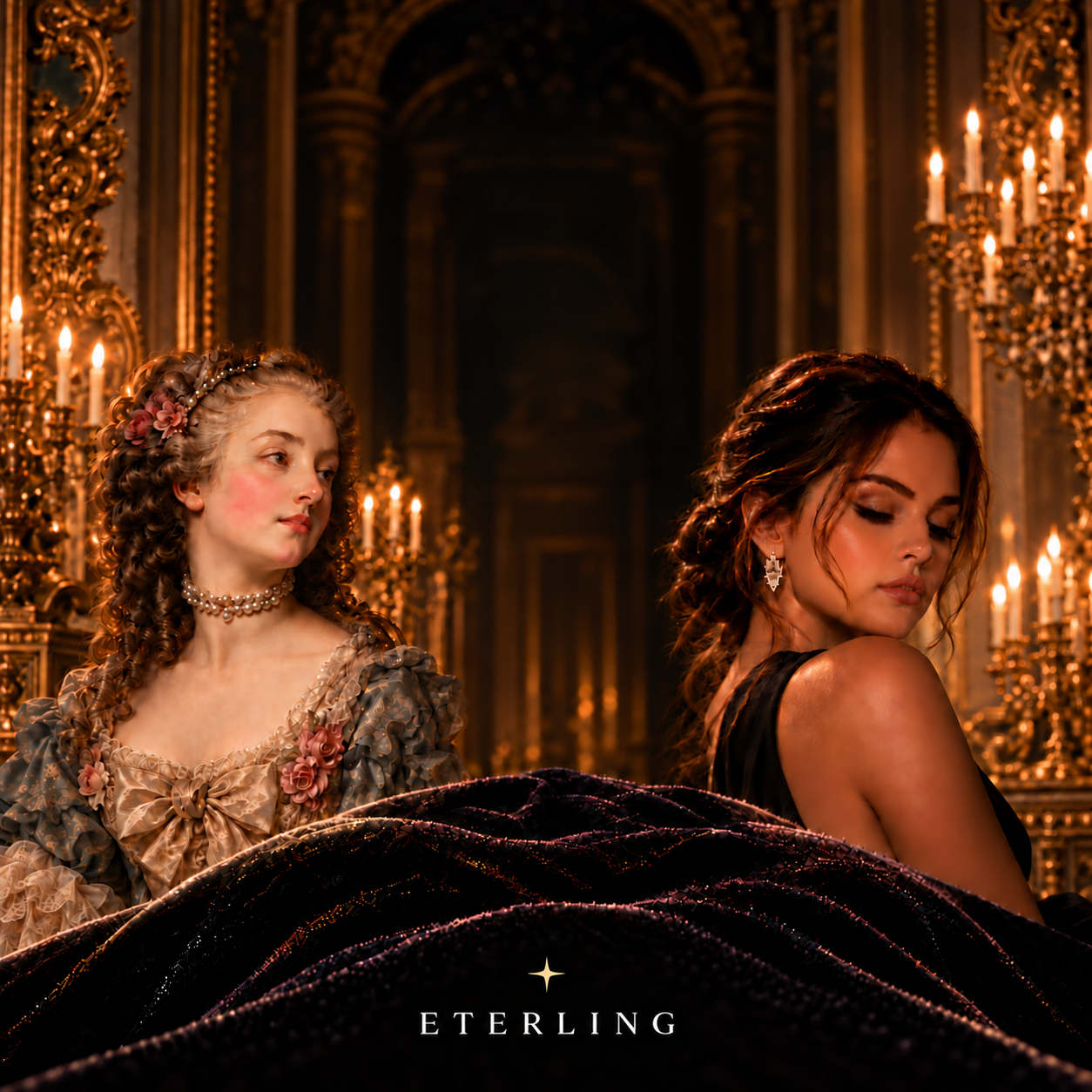
Selena Gomez & Madame de Pompadour...a shared obsession?
A diamond cut that fell out of favour for decades, only to become one of jewellery’s most desirable shapes again: the marquise. 💎
Its story takes us back to 18th-century France. According to legend, King Louis XV asked his jeweller to create a diamond shape inspired by the perfectly shaped lips of his mistress, Madame de Pompadour.
With its elongated silhouette and two delicate pointed ends, the cut later became known as the “marquise”, a reference to her aristocratic title. In France, it is also called the “navette” cut, because its shape resembles a small boat.
Is this royal story historically proven? Not quite. But some jewellery legends are simply too beautiful to question…

After enjoying enormous popularity in the 1970s and 1980s, the marquise was, for a while, considered slightly old-fashioned. Today, it is making a remarkable comeback, appearing in everything from vintage-inspired solitaires to contemporary east-west settings.
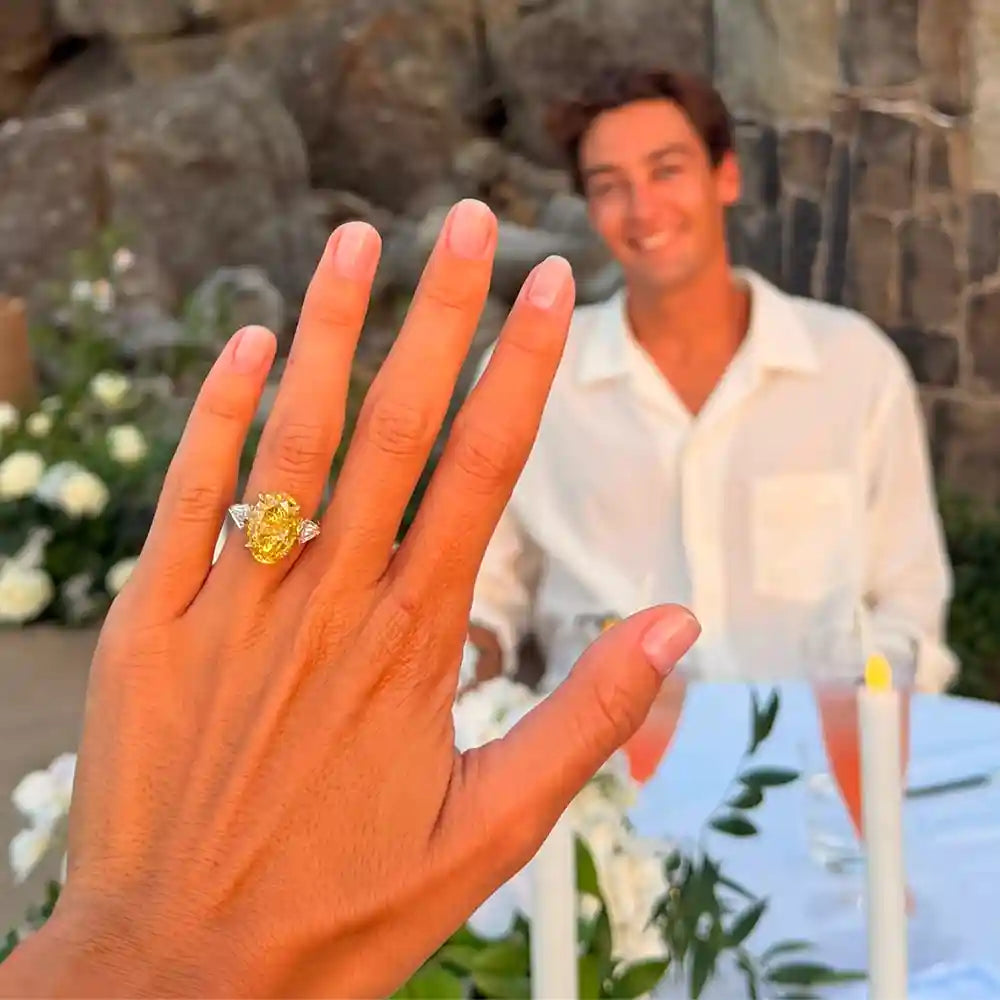
Selena Gomez helped bring it firmly back into the spotlight with her spectacular engagement ring from Benny Blanco. The design is believed to feature a six-carat marquise diamond set on a diamond eternity band.
There is also a lovely detail behind her choice: Selena had already referred to herself as a “marquise diamond” in her 2015 song Good for You.
She joins other famous women whose engagement rings featured marquise-cut stones, including Catherine Zeta-Jones, Portia de Rossi, Ashlee Simpson Ross and Christina Milian.
Its elongated shape can make the stone appear larger for its carat weight while visually lengthening the finger. Its pointed ends give it a sharper, more dramatic character than a classic oval or round brilliant.
Traditionally worn vertically, it can also be set horizontally for a more contemporary, graphic look. Repeated around a band, marquise diamonds can resemble leaves, flames or the delicate points of a crown.
Every marquise also has its own personality. Its proportions can be slender and dramatic or slightly wider and softer.
Symmetry is particularly important, as the two pointed ends need to align perfectly. A well-cut marquise should also minimise the darker “bow-tie” shadow that can sometimes appear across its centre.

There is no official meaning attached to the marquise cut, but its royal story and distinctive silhouette have made it a symbol of confidence, individuality and elegance.
It appeals to women who love a touch of vintage glamour but still want something unexpected and modern. It is not the most discreet diamond shape, and that is precisely the point.
The marquise is for a woman who does not necessarily want the ring everyone else has. A woman whose presence speaks before she does.
Elegant, distinctive and full of character, the marquise cut has always known how to make an entrance.

Would you wear it as a dramatic solitaire, set east-west, or repeated in an eternity band?