Cart
0
Recommended for you
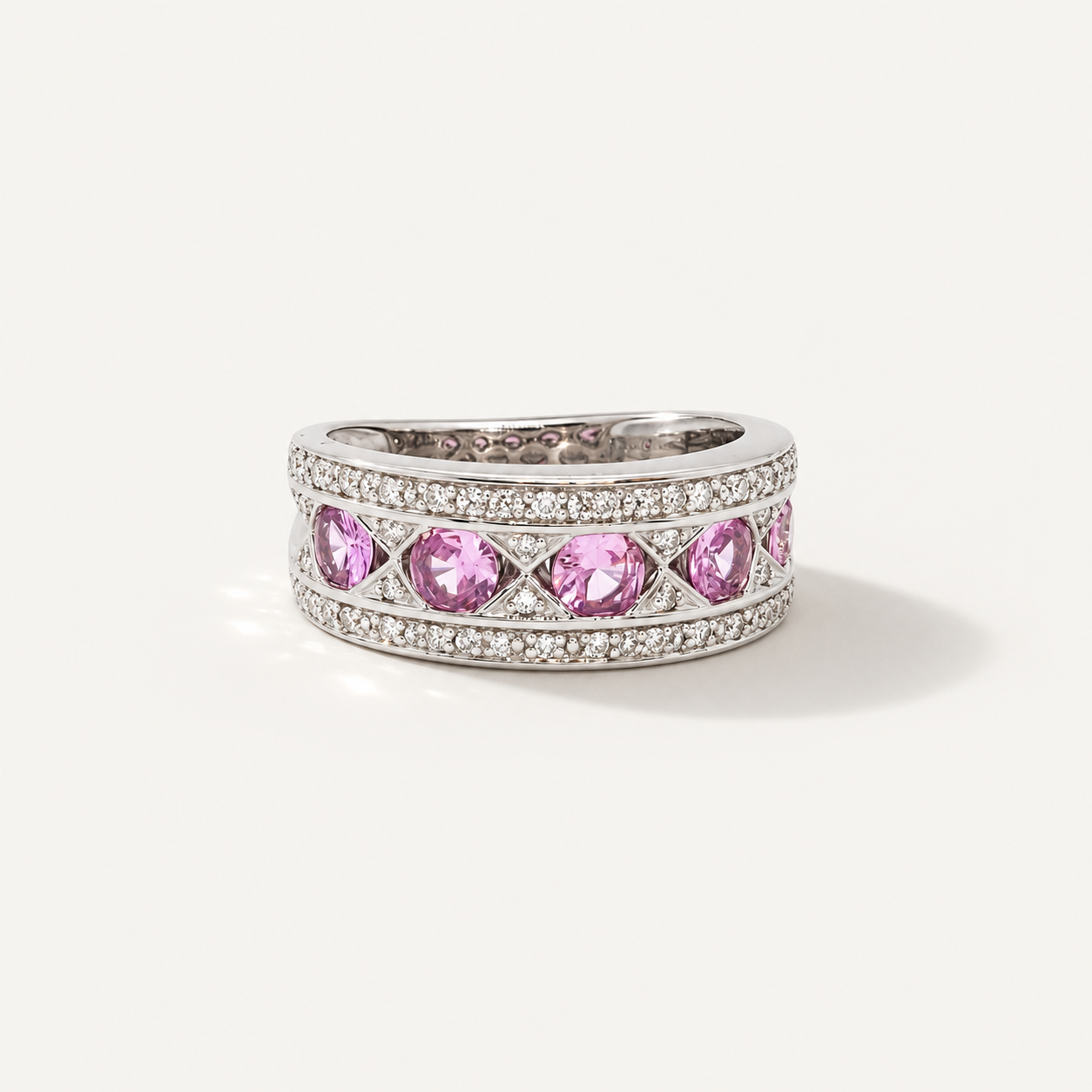
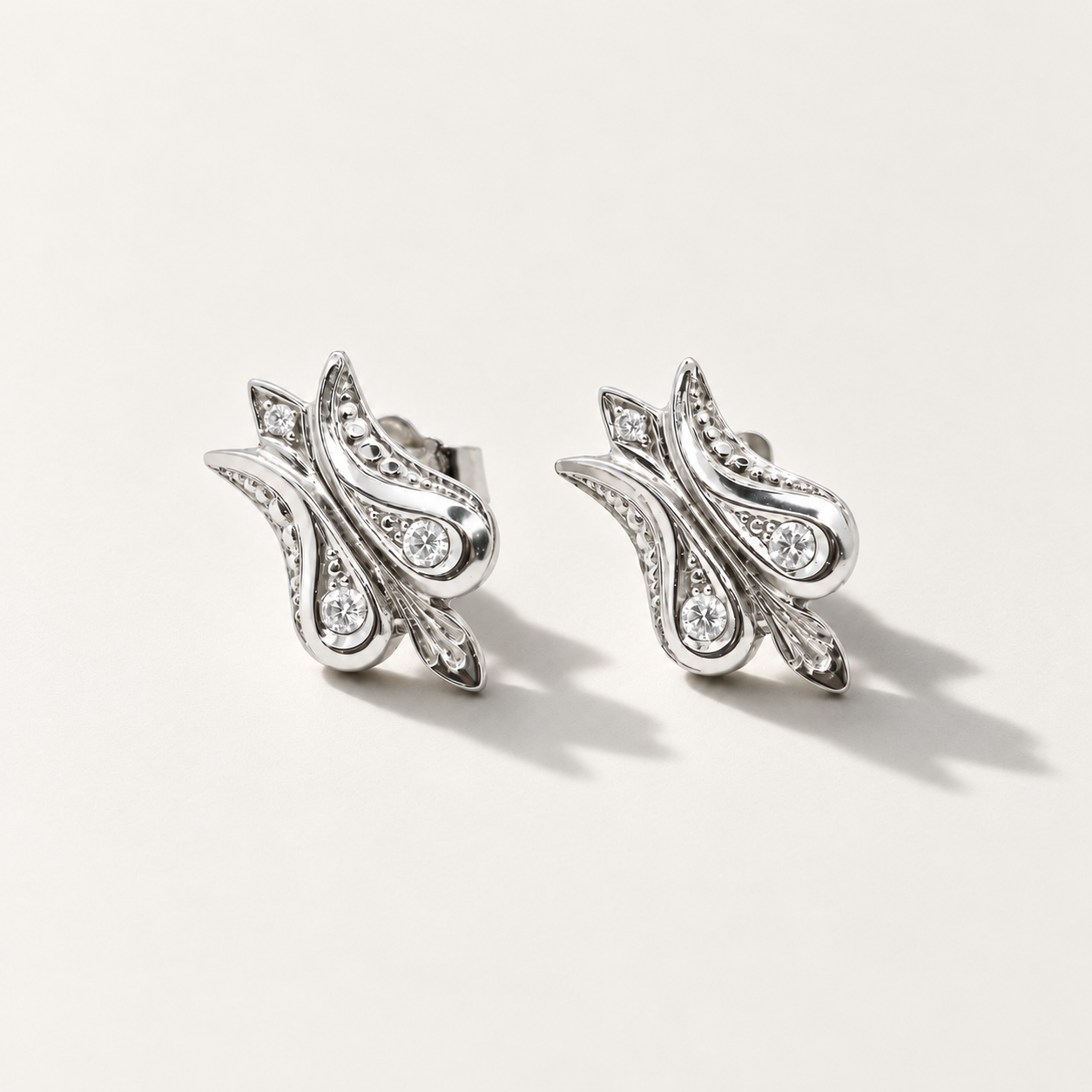
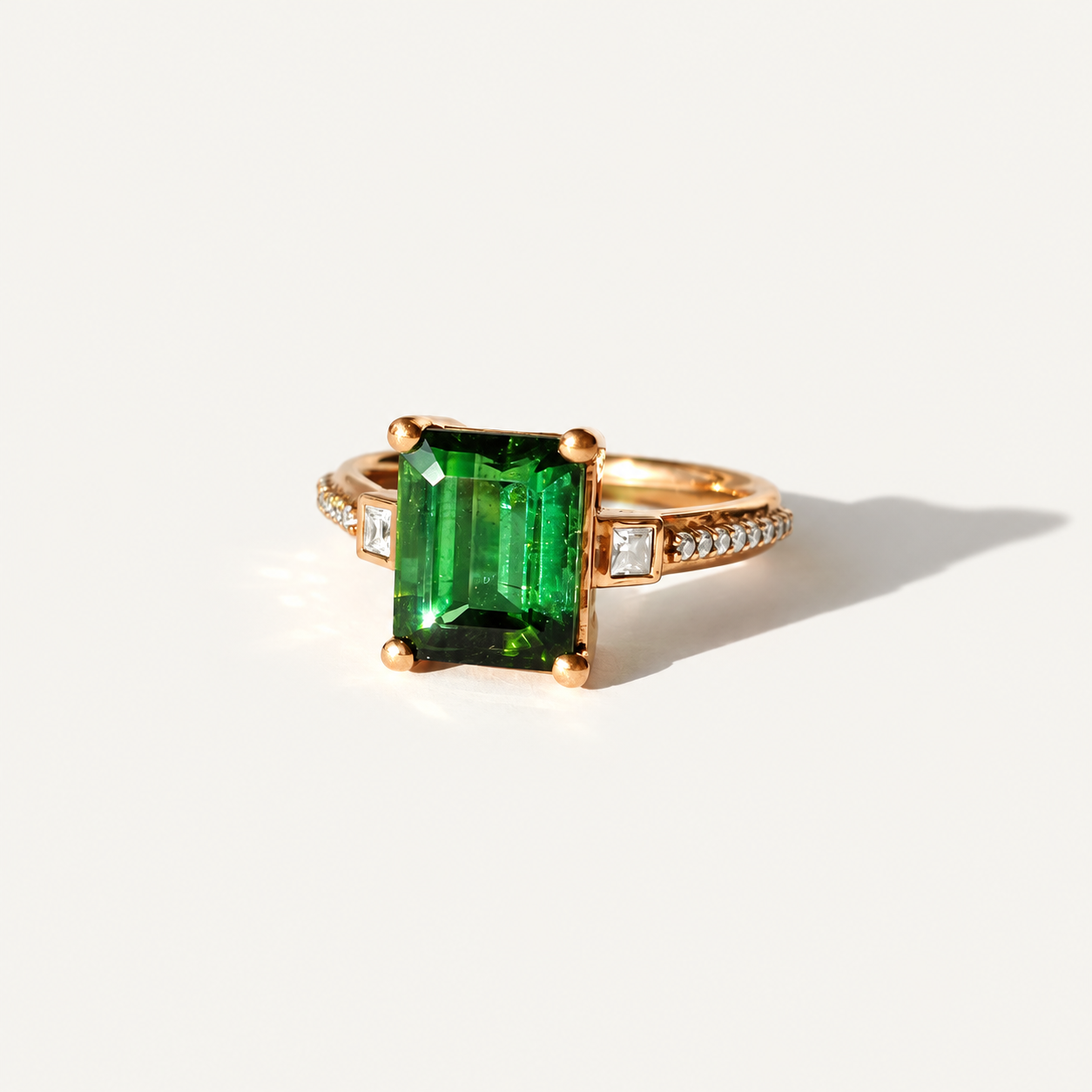

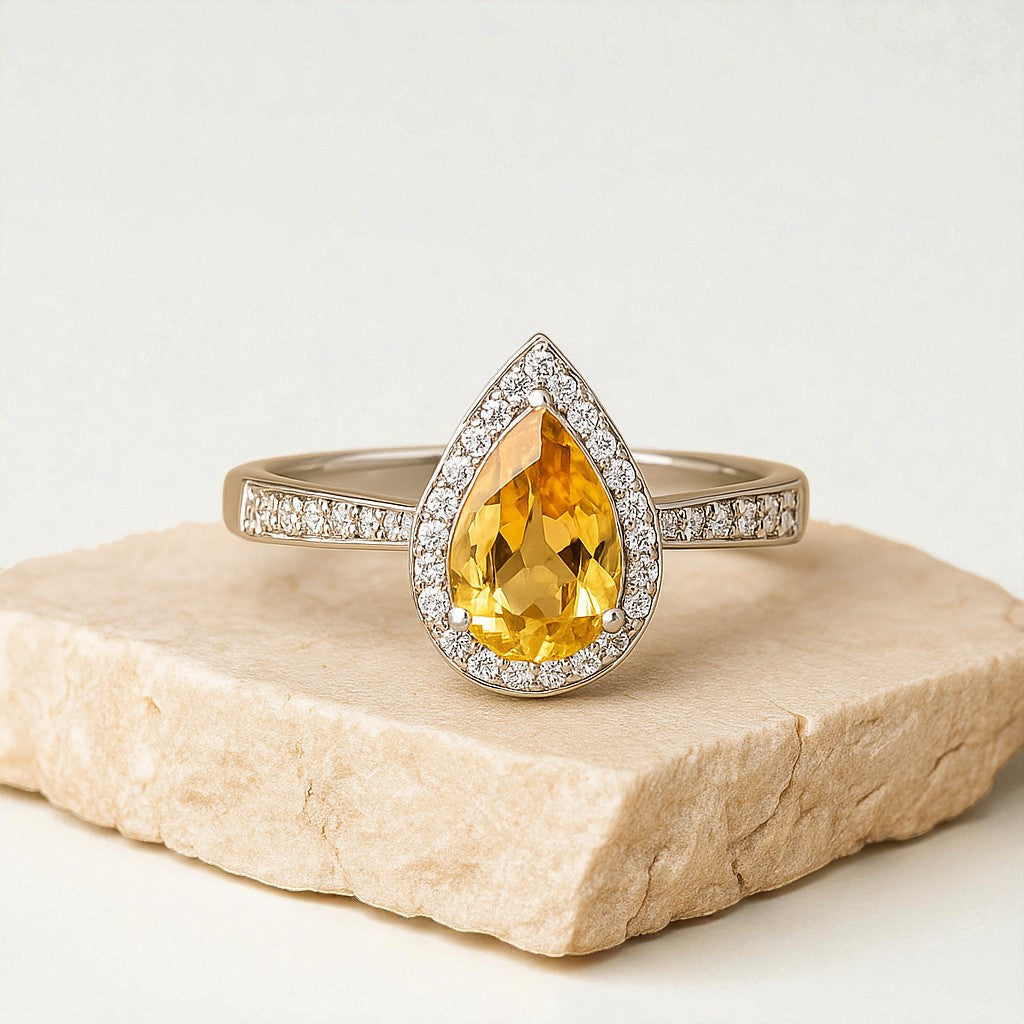
From pale lemon yellow to honey gold and rich amber, citrine brings warmth and colour to jewellery.
A lighter stone can look fresh and luminous, while a deeper shade gives a ring a richer, bolder character. Yellow gold enhances its warmth; white metal creates a contrast that lets the colour stand out.
That golden glow may be what first catches your eye, but there is much more to discover about this November birthstone, from its history and symbolism to some extraordinary jewels.
Citrine is the yellow to orange variety of quartz, a mineral family that also includes amethyst and rose quartz.
There is no single recorded discovery or discoverer. Citrine has been identified in Roman jewellery and was particularly popular in Scottish jewellery during the Victorian era.
The word “citrine” was recorded in English as early as 1385. Its name comes from the French citron, meaning lemon, a reference to its yellow colour.
Yet yellow is only the beginning of its story. Some crystals combine citrine’s golden tones with the violet of amethyst, creating a gemstone with two distinct colours.
Citrine is found in countries including Bolivia, Spain, Madagascar, Mexico and Uruguay. Brazil is also an important source of the amethyst that is heat-treated to produce much of the citrine used in jewellery.
One particularly interesting source is the Anahí mine in Bolivia, which produces natural, unheated citrine as well as crystals containing both citrine and amethyst.
When both colours appear in a cut gemstone, it is known as ametrine. The cutter can position the violet and golden areas to emphasise their contrast, sometimes creating an almost geometric division between them.
The mine also has a romantic legend attached to it, involving an Indigenous princess named Anahí and a Spanish conquistador. Although the story should be treated as a legend, it adds to the fascination of a place known for such unusual gemstones.
Citrine ranges from pale yellow to golden orange and deeper reddish-orange or brownish shades. Its colour is linked to traces of iron within the quartz.
You may also encounter the name Madeira citrine, used for rich orange to reddish-orange stones whose colour recalls Madeira wine. The name describes a colour, not a geographical origin.
These variations can give two citrine jewels very different personalities. A pale yellow stone set in white metal can look bright and fresh. A honey-coloured citrine in yellow gold creates a warmer combination, while deeper orange shades suit a rich autumn palette.
The cut also influences what you see. Broad facets can produce larger flashes of light, while smaller facets create a more intricate sparkle. When choosing a citrine, look beyond the depth of colour: notice how the stone catches the light and whether its facets remain distinct.
One of the gemstone’s most remarkable celebrity connections is the Jolie Citrine Necklace, created as part of Angelina Jolie’s jewellery collaboration with designer Robert Procop.
Donated to the Smithsonian’s National Gem Collection in 2015, the necklace features 64 cushion-cut citrines set in 18-carat yellow gold, with an extraordinary 177.11-carat pear-shaped citrine drop.
The design celebrates both the colour and the scale of the stones. The graduated citrines lead the eye towards the central drop, making the golden gemstone the focus of the entire necklace.
It is a striking example of citrine’s potential in exceptional jewellery, far beyond the small accents for which it is sometimes chosen.
Citrine has also played a memorable role in the creations of Van Cleef & Arpels, particularly between the 1950s and 1970s.
The Maison paired it with yellow gold in pieces including the Poisson voile clip of 1957, the Whirl ring of 1960 and a transformable necklace from 1972. Each explores a different way of using the gemstone’s colour, from figurative designs to sculptural jewellery.
In the 2023 Le Grand Tour collection, the Fresque céleste clip featured an engraved citrine cabochon weighing 8.62 carats, surrounded by diamond scrollwork.
These creations reveal another side of citrine: it can be faceted for sparkle, polished into a smooth cabochon or engraved to become part of a more elaborate design.
Citrine is often associated with joy, optimism and abundance. In contemporary gemstone lore, it is sometimes called the “success stone” or “merchant’s stone”, reflecting its symbolic connection to prosperity and enterprise.
These associations are rooted in beliefs and traditions rather than scientifically proven effects. For those who enjoy gemstone symbolism, they can give a jewel an additional layer of meaning.
A citrine ring might mark a business launch, a promotion or the completion of a demanding project. It can become a reminder of the determination behind an achievement, or of the ambition that inspired a new beginning.
Abundance can also mean more than financial success: rewarding work, close relationships, shared experiences and a life filled with things you value.
Citrine is one of November’s birthstones, alongside topaz. It is also associated with the thirteenth wedding anniversary.
For a November birthday gift, its range of shades leaves plenty of room for personal taste. A pale yellow pendant and a deep amber ring can honour the same birthstone tradition while creating very different looks.
Its association with optimism and prosperity can add meaning to a birthday that coincides with a career change, a new project or another important milestone.
And, of course, you do not have to be born in November to fall for its golden colour.
In contemporary crystal and astrology traditions, citrine is linked to several zodiac signs, including Sagittarius, Leo and Gemini. These associations vary between sources and are distinct from the calendar tradition of November birthstones.
For Sagittarius, citrine’s connection to optimism and opportunity reflects the sign’s adventurous outlook. Its symbolism can resonate with someone who enjoys exploring possibilities and pursuing new ambitions.
For Leo, the connection centres on confidence, generosity and creativity. Citrine’s golden colour complements the symbolism of a sign often associated with warmth and self-expression.
For Gemini, citrine is linked to curiosity, communication and the exchange of ideas. Its associations with clarity and creativity offer another personal connection to the stone.
For someone who enjoys astrology, these links can add a thoughtful detail to a gift or another reason to feel drawn to a particular jewel.
A gift of citrine can carry a simple message: “I believe in you and what you are building.”
It can celebrate someone who has taken a chance, worked towards a goal or found the courage to change direction. Given at such a moment, the jewel becomes a lasting reminder of that encouragement.
Within a couple, citrine can express wishes for happiness, prosperity and a fulfilling life together. Its symbolism lends itself to celebrating shared achievements and looking forward to future plans.
Choosing citrine for yourself can be just as meaningful. A ring bought after a promotion or at the start of a business can bring back the feeling of that moment every time you wear it.
Citrine works beautifully with a wardrobe of cream, camel, brown and burgundy, and can bring a warm touch of colour to a simple black outfit.
Its availability in different sizes gives jewellery designers plenty of freedom. A small citrine can add a subtle golden accent, while a larger stone allows the colour and cut to become the focus of a ring or pendant.
Yellow gold enhances its warmth. White metals create contrast, while colourless accent stones can frame the citrine and add sparkle around it.
The best combination is the one you enjoy wearing, whether that means a delicate yellow pendant or a bold amber-coloured ring.
Citrine has a hardness of 7 on the Mohs scale and is suitable for many types of jewellery. It can nevertheless be scratched by harder gemstones and should be protected from knocks, particularly when worn in a ring.
For routine cleaning, use lukewarm water, mild soap and a soft brush. Rinse gently and dry with a soft cloth. Avoid steam cleaning, excessive heat and sudden changes in temperature. Prolonged exposure to strong light can also cause some stones to fade.
Store each piece separately to prevent scratches, and remove rings before activities that could expose them to impacts.
At Eterling, we love citrine for its warmth and the variety of its golden shades. A delicate yellow and a rich amber can inspire entirely different jewels, each with its own character.
You might choose yours to celebrate an achievement, encourage someone you love or simply because you cannot stop thinking about its colour.
Discover our citrine jewellery and find your favourite golden shade.